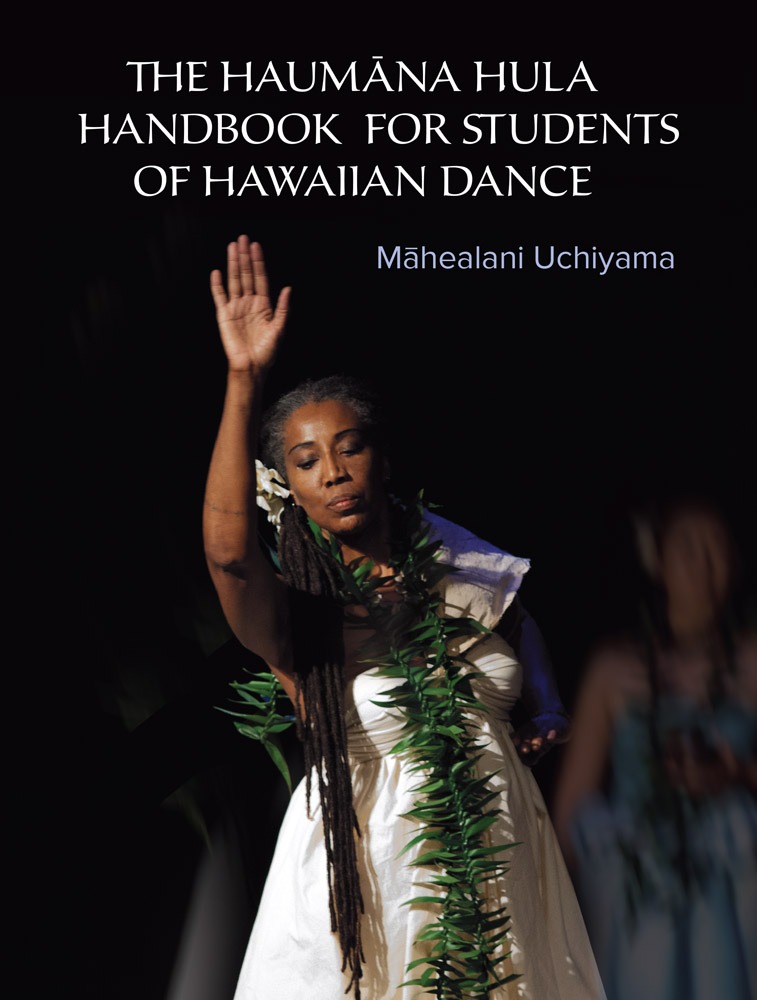
The Haumāna Hula Handbook for Students of Hawaiian Dance
2016
A great resource for students of traditional Hawaiian dance, this beautiful handbook filled with archival photographs covers the origins, language, etiquette, ceremonies, and the spiritual culture of hula. Hula, the indigenous dance of Hawai’i, preserves significant aspects of Native Hawaiian culture with strong ties to health and spirituality.
Foreword by Naomi Leinaʻala Kalama
A great resource for students of traditional Hawaiian dance, this beautiful handbook filled with archival photographs covers the origins, language, etiquette, ceremonies, and the spiritual culture of hula. Hula, the indigenous dance of Hawai’i, preserves significant aspects of Native Hawaiian culture with strong ties to health and spirituality. Kumu Hula, persons who are culturally recognized hula experts and educators, maintain and share this cultural tradition, conveying Hawaiian history and spiritual beliefs in this unique form of cultural and creative expression, comprising specific controlled rhythmic movements that enhance the meaning and poetry of the accompanying songs.
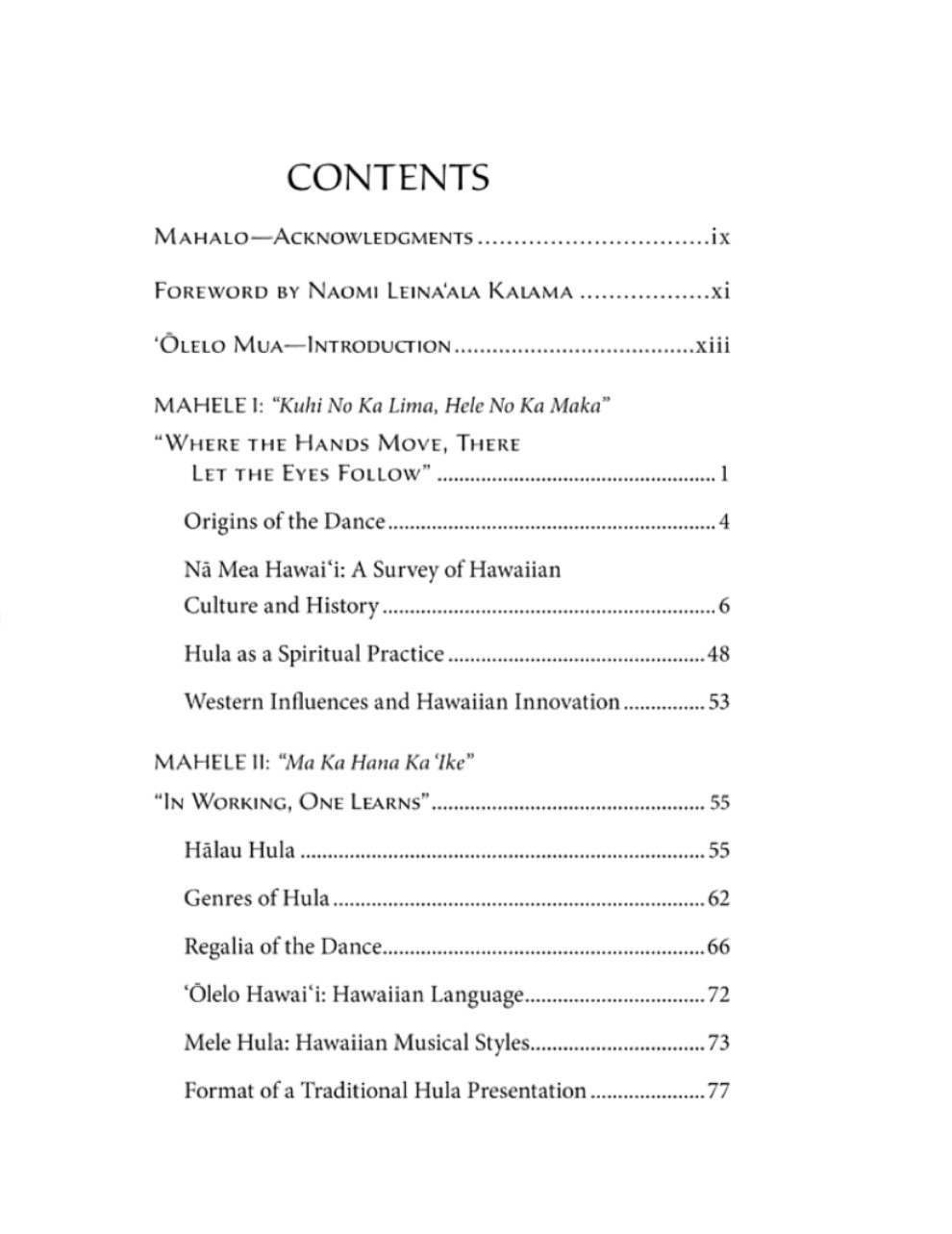
Emphasizing the importance of cultural literacy, the Handbook begins with an overview of the origins of hula, its history in Hawai’i, and the primacy of the spiritual focus of the dance. The book goes on to introduce halau etiquette and practices, and explains the format of a traditional hula presentation, together with the genres of hula and the regalia worn by the dancers. Practical components include sections on Hawaiian language and chant and a glossary of hula commands and footwork.
Praise
I have always respected Mahealani Uchiyama’s tenacity, dedication, devotion, and talent for encompassing other cultures and dances. In my opinion, she has always been diligent in her research of all cultural dance/art/costuming, which require cultural authenticity and originality. I am proud to call such an outstanding and upstanding individual my associate and friend.
from the foreword by Naomi Leinaʻala Kalama, Loʻea Hula
Here is a book that gives a bit of insight on all aspects of hula. The Haumāna Handbook For The Student Of Hawaiian Dance is a perfect place to start.
Kawika Alfiche, Kumu Hula
Hālau ʻO Keikialiʻi
This tightly written handbook captures the universe of the hula, and is a must-read for anyone who wants to understand why the hula is ‘the heartbeat of the Hawaiian people.'
Betty Ann Bruno, director
Hula Mai
An absolute must-have for anyone studying the dance, cultural arts or history of Hawai’i.
Lani Cid-Iulio, Kumu Hula
Hālau Makana
A wealth of knowledge graciously shared to perpetuate traditions, ceremony and the ongoing life of hula—a must for all serious students learning under the guidance of a kumu hula.
Rick Noʻeau Smith, Kumu Hula
Nā Mamo Noʻeau
Uchiyama is known for setting the record straight. Her 2016 volume The Haumana Hula Handbook for Students of Hawaiian Dance details the cultural and spiritual role of hula for the Hawaiian people and offers sensible methods for non-Hawaiians to study the tradition respectfully. Rather than positioning herself as a guardian or a gatekeeper, she sees her role as conduit between cultures, a Westerner mindful of ongoing colonial legacies.
Andrew Gilbert
OaklandSide
Press
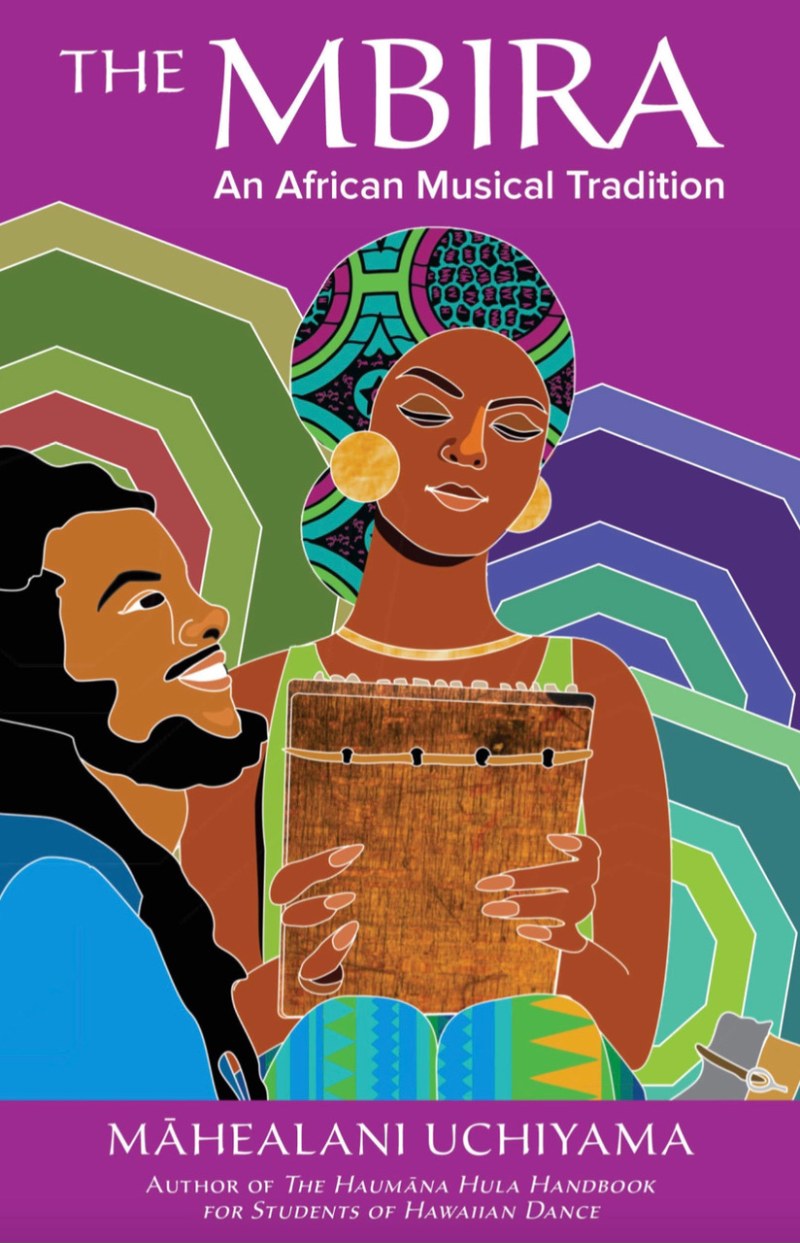
The Mbira, An African Musical Tradition
2021
An introductory guide to the mbira: the spiritual traditions, historical perspectives, and practical applications of a sacred Zimbabwean instrument.
Foreword by Patience Chaitezvi Munjeri
An introductory guide to the mbira: the spiritual traditions, historical perspectives, and practical applications of a sacred Zimbabwean instrument.
In this accessible overview steeped in history and tradition, teacher and student Māhealani Uchiyama offers insights for learning about the mbira and actively engaging with it in an informed and respectful way.
The mbira is made of a wooden soundboard and hammered metal keys. It can be played solo or accompanied by singing, clapping, dancing, percussion, or other mbira. In traditional Zimbabwean culture, the mbira is a spiritual practice that bridges worlds: for example, the realm of the ancestors and of healing energies with the worlds of the living.
Supplemented with 32 images and glossary of terms, this book helps readers understand:
- The mbira’s special roles within the lamellaphone instrument family
- Relevant Zimbabwean and African cultural, historical, and spiritual perspectives
- Ways the mbira can become a connection point for people severed from their African roots
- How appropriation and commodification have contributed to the mbira’s popularization around the world
- Codes of conduct for respectfully playing the mbira and for taking it up as a practice
Praise
As she is one of the few female African Americans who play mbira, it is really important to hear [Māhea Uchiyama’s] perspective of mbira and how it has worked in her life.
From the foreword by Patience Chaitezvi Munjeri
Gwenyambira
This is an important introduction to Zimbabwean mbira music for those from other continents. If you are attracted to mbira music, but are unfamiliar with its history and cultural significance and perhaps wonder whether it’s really OK for you to play it, this book will answer all your questions!
Erica Azim, executive director of MBIRA (mbira.org)
Mbira music and its culture teaches us to embrace our ancestors and tap into the spiritual richness that lies within ourselves. This book will take us on this magical journey.
Sheree Seretsem director of the Anzanga and Zambuko Marimba Ensembles
Seretse African Music Collective, University of Washington
Māhea highlights a compelling perspective and outlook into the discovery of the mbira music culture and that of the Shona culture. A must-read for those on a journey to understand their ancestral lineages through the powerful mastery of mbira music. Well done!
Laina P. Magaya, a.k.a. Piwai, award-winning recording artist, percussionist, and Gwenyamibra
I wholeheartedly recommend Māhealani Uchiyama’s book for western mbira students, beginners and experienced players alike. She takes a holistic approach to learning the music and its place within Shona culture rather than just breaking down the musical sounds. Central to her perspective is wise commentary on our roles as westerners in engaging with Shona music, pointing out that ‘True respect for the mbira and its rich heritage must begin with an acknowledgment of the long history of Western peoples consuming, modifying, and decontextualizing artifacts and practices of other peoples.’
Claire Jones, PhD, Zimbabwean Music Festival Coordinator
Press
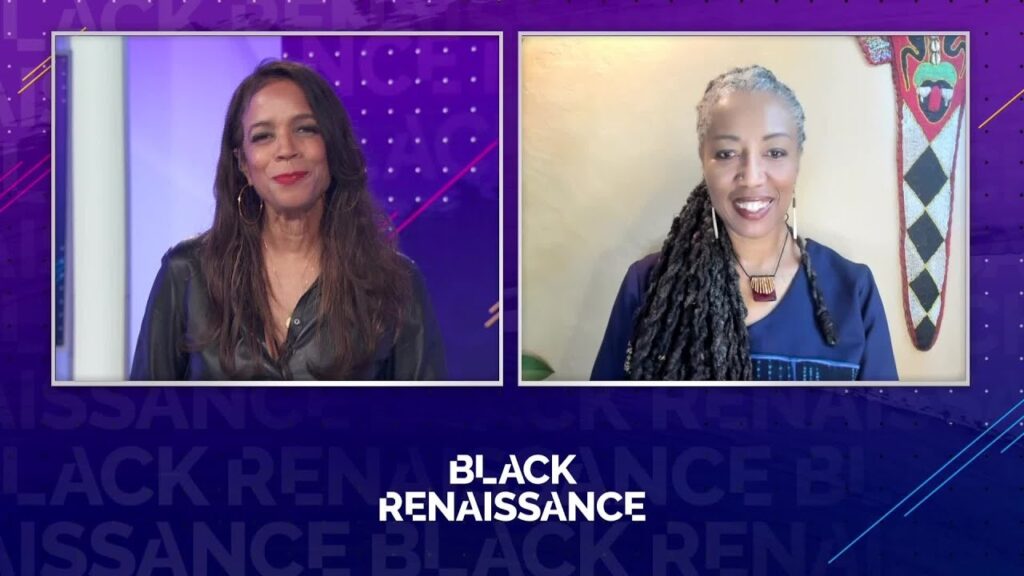
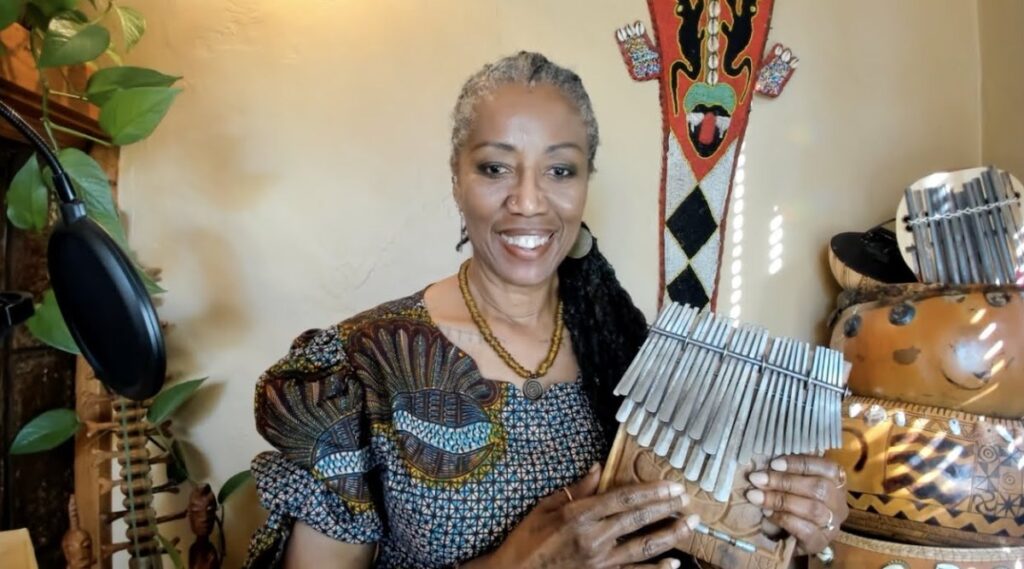
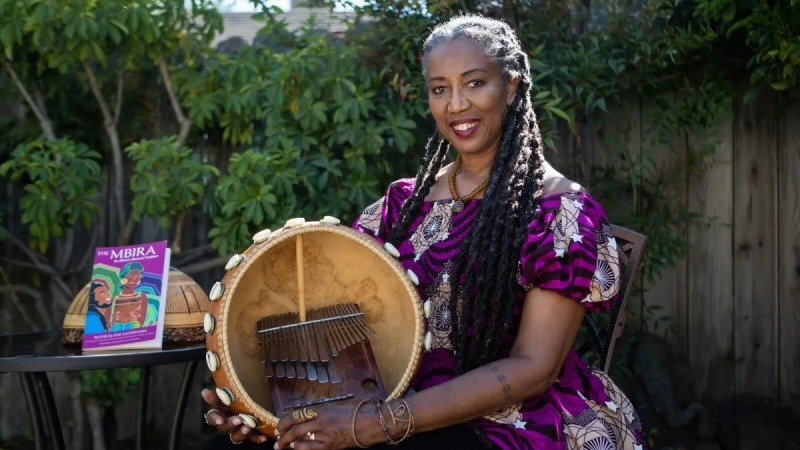
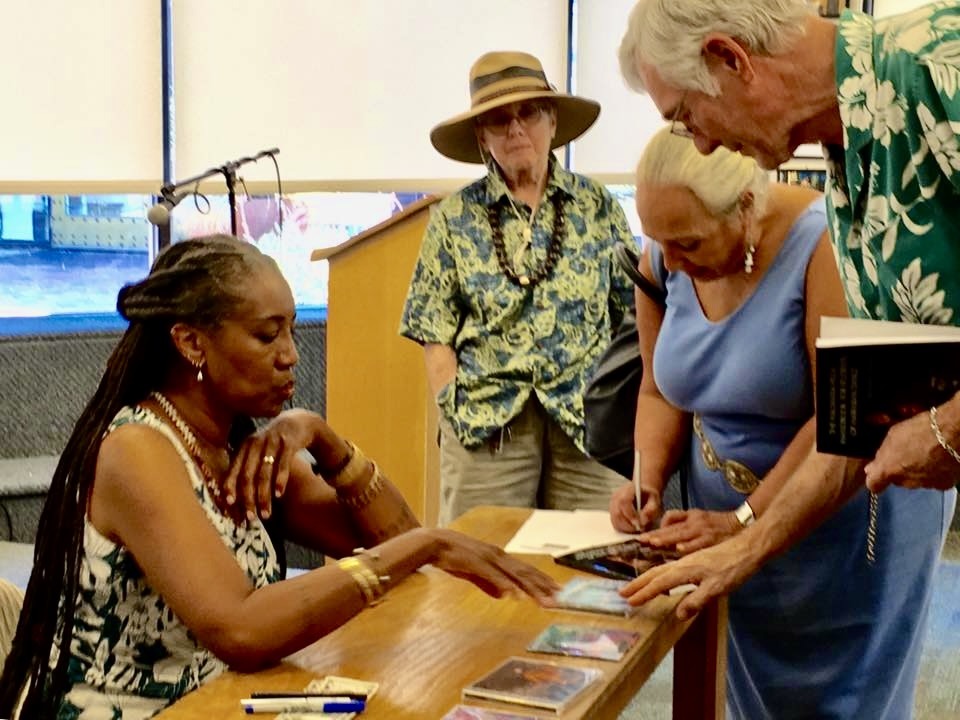
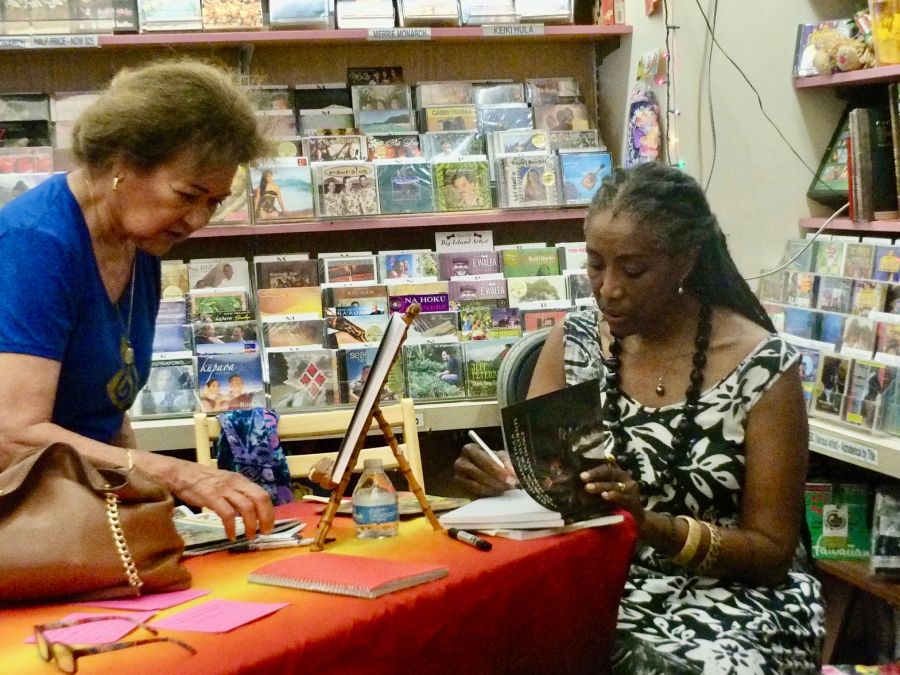
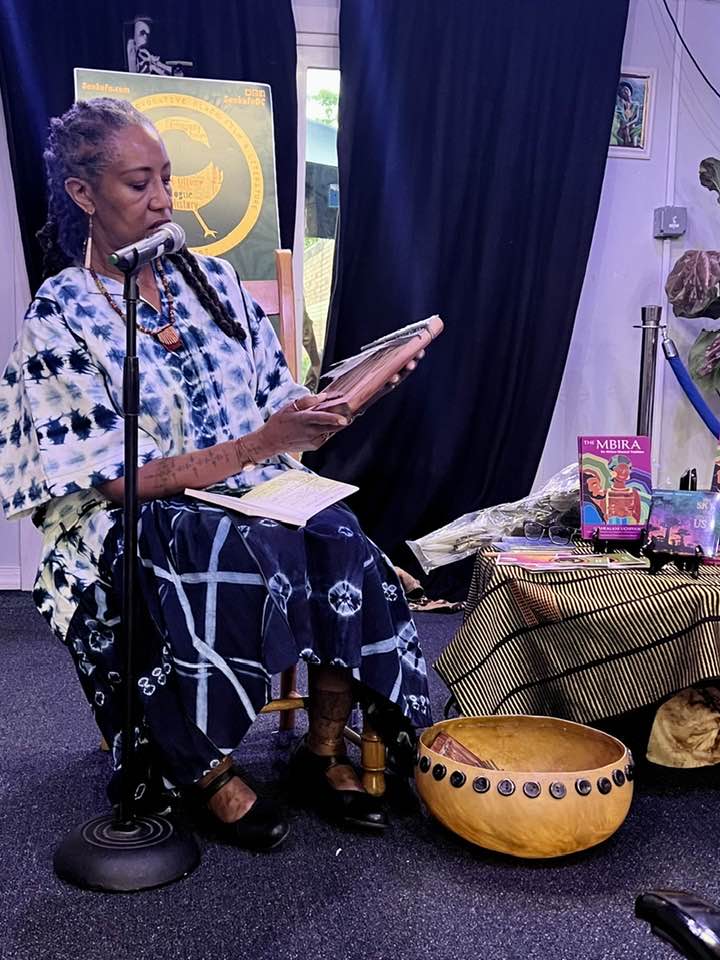
Book Readings
Also found in
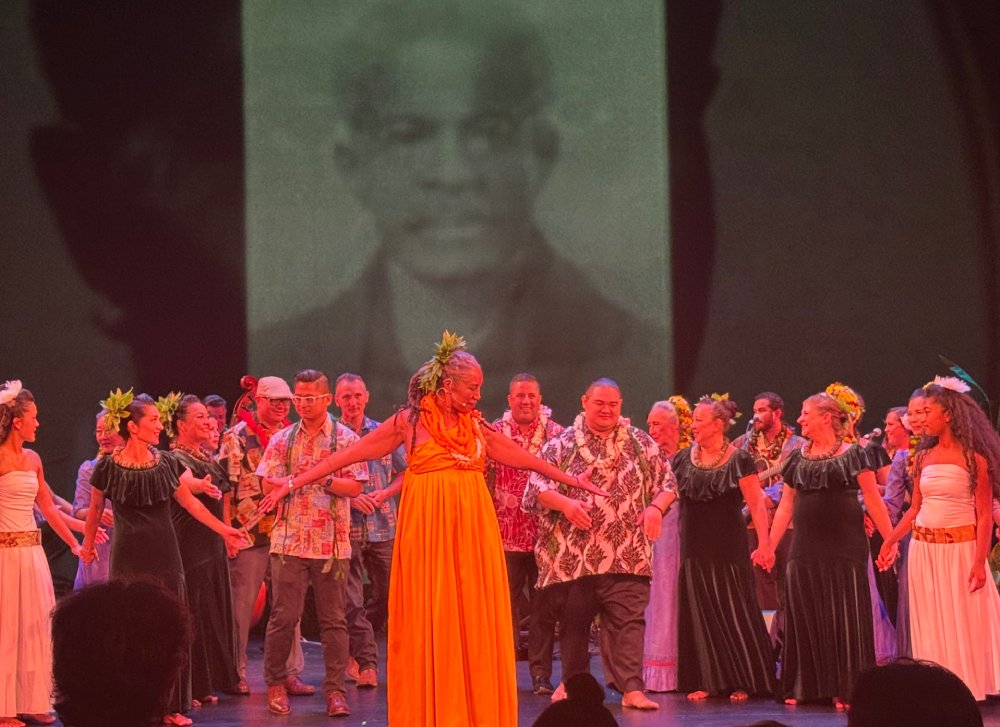
Dancetera
Dancetera is the production arm of Māhealaniʻs music, written works, instruction and performance.